Understanding gambling addiction Signs, impact, and recovery options
Recognizing the Signs of Gambling Addiction
Gambling addiction can often go unnoticed, especially in its early stages. Signs of this condition may include an increasing preoccupation with gambling, where individuals may find themselves thinking about their next betting opportunity or replaying past gambling experiences. Additionally, people may lie about the extent of their gambling activities, leading to isolation from family and friends, which exacerbates the addiction. Engaging in online casinos can sometimes intensify these feelings, making it crucial to stay aware of one’s gambling habits.

Other common indicators include emotional changes such as anxiety or depression. Gamblers may experience financial difficulties due to their betting habits, often leading to significant debt. If you notice someone withdrawing from social interactions or neglecting responsibilities in favor of gambling, it may be a clear signal of a deeper issue.
The Impact of Gambling Addiction on Life
The consequences of gambling addiction extend far beyond personal finances; they can affect relationships, work performance, and mental health. Families may suffer as trust erodes and communication breaks down. Spouses and children may feel neglected or betrayed, leading to emotional distress and family breakdowns.
Moreover, the mental health impacts can be severe. Individuals may experience heightened feelings of guilt, shame, and despair, leading to depression or anxiety disorders. These emotional challenges can create a vicious cycle, where the individual turns to gambling as a coping mechanism, only to face further repercussions that exacerbate their mental state.
Understanding the Recovery Journey
Recovery from gambling addiction is possible, though it often requires a multifaceted approach. One key step in the recovery journey is acknowledging the problem and seeking help. Support groups, counseling, and therapy can provide valuable resources and a sense of community for those struggling with addiction.
Additionally, cognitive behavioral therapy (CBT) is an effective method for treating gambling addiction. This form of therapy helps individuals identify and change negative thought patterns and behaviors, enabling them to develop healthier coping mechanisms. Combining therapy with support groups can significantly enhance the likelihood of successful recovery.
Resources for Overcoming Gambling Addiction
Many organizations and resources are available to assist individuals battling gambling addiction. These may include national helplines, local support groups, and online forums that connect individuals with shared experiences. Many programs focus on education, support, and advocacy for those affected by gambling addiction.
Additionally, some online platforms offer counseling services tailored to gambling addiction. These resources can provide guidance and strategies for dealing with triggers and urges to gamble. Engaging with such resources can be a vital step toward regaining control and embarking on a healthier path.
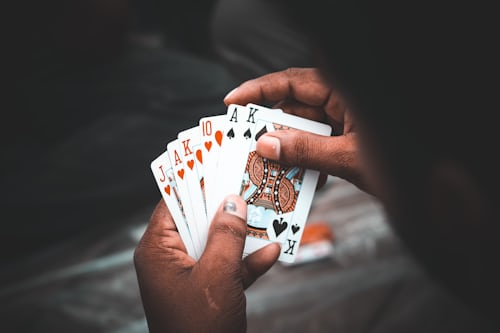
Exploring Comprehensive Information on Gambling Addiction
For those seeking a deeper understanding of gambling addiction, there are numerous resources available that offer comprehensive insights and support. Websites dedicated to gambling awareness provide crucial information about signs, impacts, and effective recovery options. They often feature personal stories and testimonies that highlight the journey of recovery.
By utilizing these resources, individuals can empower themselves and those around them to recognize and address gambling addiction. Awareness and education play pivotal roles in combating the stigma associated with gambling addiction, ultimately fostering a supportive environment for recovery.